
Documented, Attributed or Disputed? Reading Intelligence History
Why a responsible reference work uses visible evidence labels—and what each label tells the reader about the strength of the public record.
PUBLIC-RECORD OVERVIEW
A concise orientation
Intelligence history is filled with unequal claims. Some events are supported by official records, legal proceedings or multiple independent sources. Others rest on credible attribution, a single report or later accounts that disagree on essential facts.
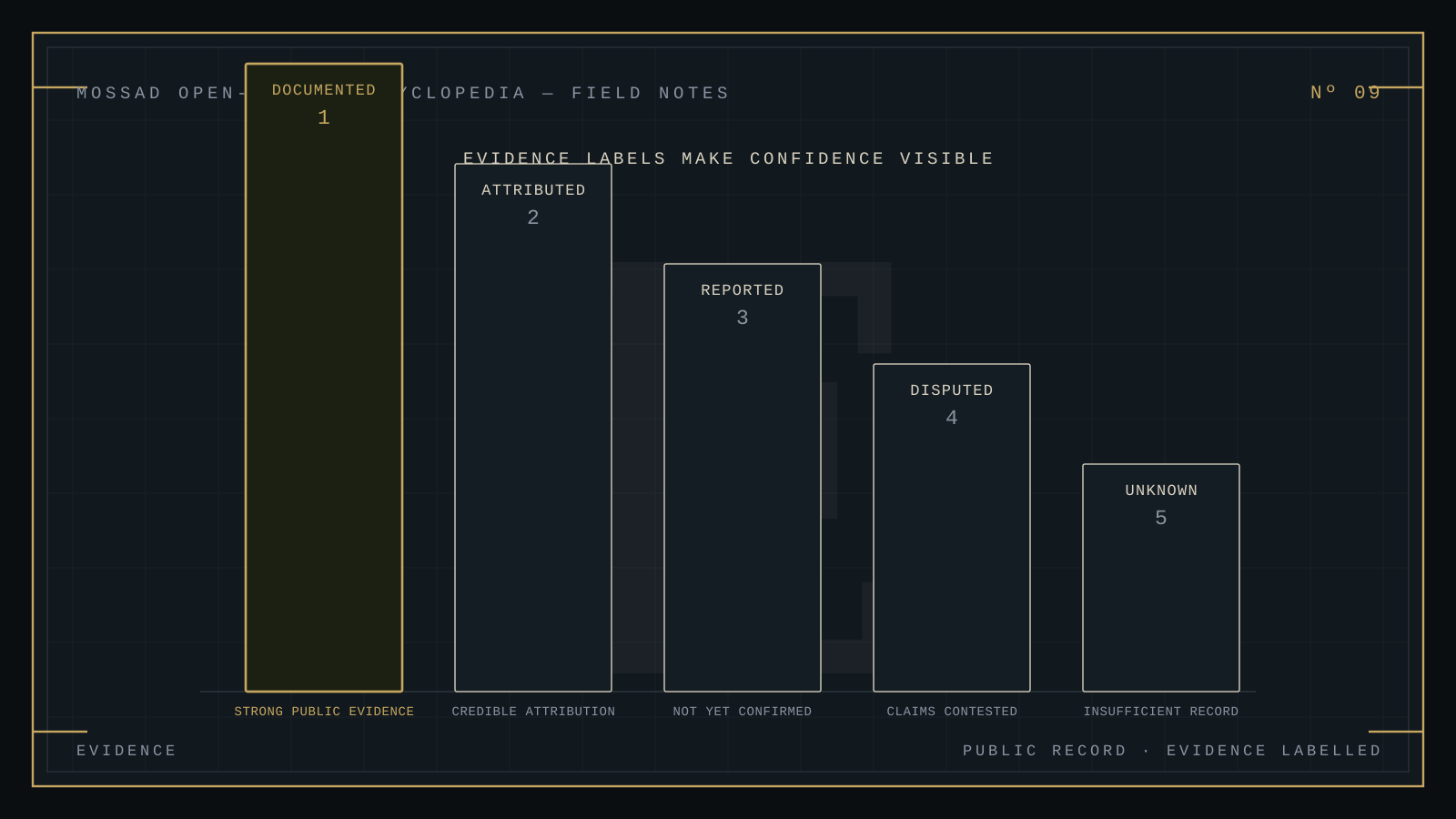
Evidence labels make those differences visible. They help readers understand whether a statement is established, reported, contested or simply beyond what open sources can currently show.
KEY POINTS
What the public record supports
Documented indicates strong public evidence.
Attributed preserves the source of a credible but not fully proven claim.
Reported does not mean conclusively established.
Disputed identifies material disagreement; unknown marks insufficient evidence.
EVIDENCE NOTE
Research guide
This field note uses a high-level summary only. Where attribution or important details remain uncertain, the complete encyclopedia distinguishes documented facts from reported, attributed, disputed or unknown claims.
RESERVED FOR THE COMPLETE EDITION
What the book adds
- Evidence classifications applied across all 304 A–Z entries
- Detailed source notes rather than unsupported certainty
- Related-entry trails for checking people, places and competing accounts
The full material is not reproduced in this article.